

A Discussion of Peter Foster’s Why We Bite the Invisible Hand Chapter 13 “The Chimpanzee in the Room: Darwinian Politics” In an earlier chapter, Foster has discussed the origins of the instinct to trade. While trading seems natural to people, the disconnected and abstract modern economic system today challenges our…
Why We Bite the Invisible Hand

Economic Statistics Boost the Illusion of Control
Part 3 of a Discussion of Peter Foster’s Why We Bite the Invisible Hand Chapter 12 “Homer Economicus” Foster asserts that anti-capitalists have long feared that people’s desire to raise their standard of living would devolve into envy-driven conspicuous consumption that would trump virtue. (p. 264) Related to this criticism…
Why We Bite the Invisible Hand
Do We Want the Government Nudging Us?
Part 2 of a Discussion of Peter Foster’s Why We Bite the Invisible Hand Chapter 12 “Homer Economicus” In the last blog, we explored Foster’s critique of behavioral economics, and now we will see how its incorrect diagnosis of the problems in economics has led to conclusions for more economic…
Why We Bite the Invisible Hand

Behavioral Economics: Correcting a Problem Economics Does Not Have
Part 1 of a Discussion of Peter Foster’s Why We Bite the Invisible Hand Chapter 12 “Homer Economicus” Foster turns his attention to the field of Behavioral Economics that gained a lot of attention in the early 2000’s. However, it is clear Foster is unimpressed. Two psychologists kicked the field…
Why We Bite the Invisible Hand
The Subconscious Source of Morality Is Driving the Culture Wars
Part 2 of a Discussion of Peter Foster’s Why We Bite the Invisible Hand Chapter 11 “The Darwin Wars” In the second half of the chapter, Foster turns to the origin of morality and posits it is not a recent innovation but something that is central to mankind. In the…
Why We Bite the Invisible Hand

Sociobiology’s Unity Blinded Its Progress
Part 1 of a Discussion of Peter Foster’s Why We Bite the Invisible Hand Chapter 11 “The Darwin Wars” Foster turns this chapter to an examination of the field of sociobiology, where evolutionary biology meets psychology, hoping to find answers to why we carry anti-capitalist views instinctively. Seeking the source…
Why We Bite the Invisible Hand
Keynesianism: Regulating the Free Market to Death
Part 3 of a Discussion of Peter Foster’s Why We Bite the Invisible Hand Chapter 10 “The Rise and Fall and Rise of John Maynard Keynes” Just as the bad economy of the 1970s precipitated the end of Keynesianism and the rise of neoclassical economics, the 2008 financial crisis, the…
Why We Bite the Invisible Hand
Keynesianism: Why We Think We Can Spend Our Way Out of a Recession
Part 2 of a Discussion of Peter Foster’s Why We Bite the Invisible Hand Chapter 10 “The Rise and Fall and Rise of John Maynard Keynes” Continuing on from the previous blog, we will look deeper into Keynesianism in the 20th century and what led to its fall and the…
Why We Bite the Invisible Hand

Keynesianism: The Appeal of a Theory that Empowers Experts
Part 1 of a Discussion of Peter Foster’s Why We Bite the Invisible Hand Chapter 10 “The Rise and Fall and Rise of John Maynard Keynes” Foster next turns his attention to John Maynard Keynes, a highly influential economist of the 20th century, because he sees the Keynesian theories that took hold as…
Why We Bite the Invisible Hand
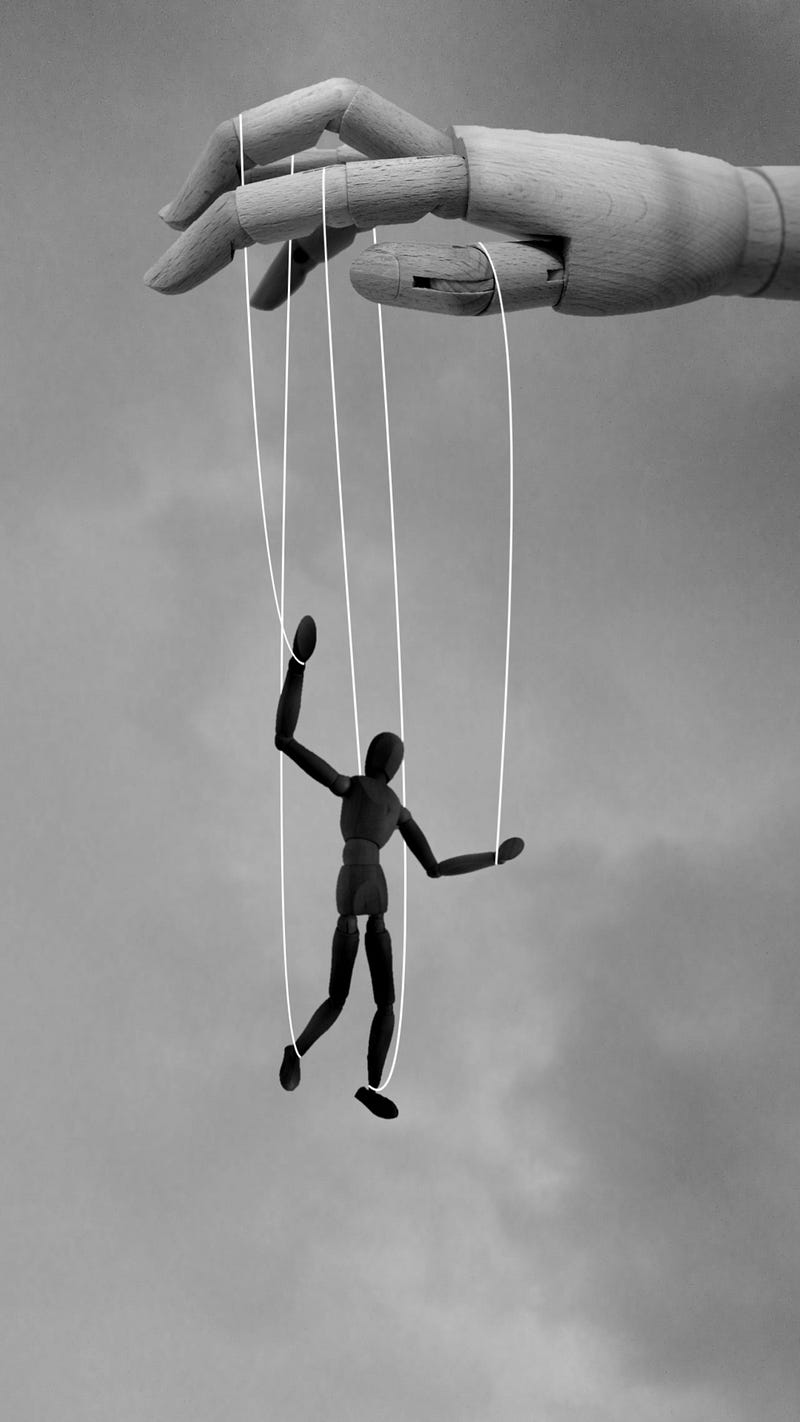
Free Market Economics Requires Trusting What You Cannot See
Part 2 of a Discussion of Peter Foster’s Why We Bite the Invisible Hand Chapter 9 “The Invisible Metaphor” In the last blog, we examined the meaning of the Invisible Hand metaphor. Now we want to look at several who challenged its ability. Adam Darwin Foster discusses a lecture by…