

A Discussion of Mark O’Keefe’s Virtue Abounding Chapter 2 “Prudence” Prudence is not a word we hear much today so saying it is a virtue likely does not communicate much. O’Keefe gives us St. Thomas of Aquinas’s definition as the “abiding inclination to decide well.” (p. 11) So that’s all clear now!…
Virtues Abounding

A Return to Striving for a Virtuous Life Solves Many of Society’s Ills
A Discussion of Mark O’Keefe’s Virtue Abounding Chapter 1 “The Virtuous Life” Last chapter introduced the idea of the seven virtues. The four cardinal virtues are courage, prudence, justice, and temperance, and the three theological virtues are faith, hope, and love. Now we turn to the question, what is a virtuous life?…
Virtues Abounding

What are the Virtues?
A Discussion of Mark O’Keefe’s Virtues Abounding “Introduction” I am reading Virtues Abounding to understand the importance of each of us developing virtues for our economy, and overall society, to function at its best. That is, many of the critiques of capitalism are really stemming from character flaws in the people practicing capitalism…
Why We Bite the Invisible Hand

If You Bite the Invisible Hand, It Will Bite Back
A Discussion of Peter Foster’s Why We Bite the Invisible Hand Chapter 18 “Conclusion: Still Spinning After All These Years” I have really enjoyed this book because Foster is asking the questions I have had. Why do we bite the Invisible Hand? Why are people not more aware or concerned that…
Why We Bite the Invisible Hand
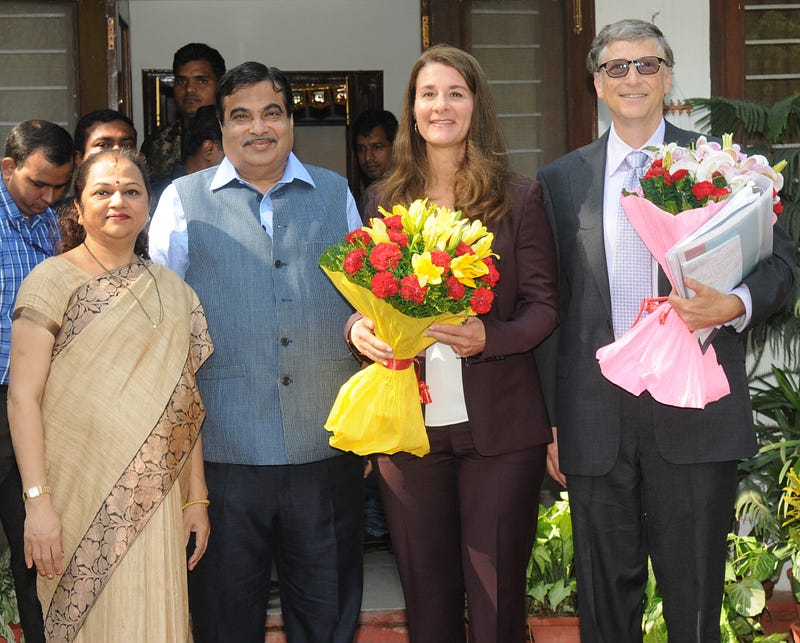
Philanthrocapitalism Pleases the Donors; Policies are Pushed onto the Recipients
Part 2 of a Discussion of Peter Foster’s Why We Bite the Invisible Hand Chapter 17 “Bill Gates and the Pitfalls of Philanthrocapitalism” Foster next turns to Bill Gates’ call for a “creative capitalism” that he saw as a new form that would merge the ideas of caring for others…
Why We Bite the Invisible Hand

No Need for Philanthrocapitalism, Serving Others’ Needs Is Already Built into Capitalism
A Discussion of Peter Foster’s Why We Bite the Invisible Hand Chapter 17 “Bill Gates and the Pitfalls of Philanthrocapitalism” In this chapter, Foster turns his attention to philanthrocapitalism. It is some combination of charity somehow wrapped up in capitalist behavior. The most well-known current example is likely the Bill &…
Why We Bite the Invisible Hand
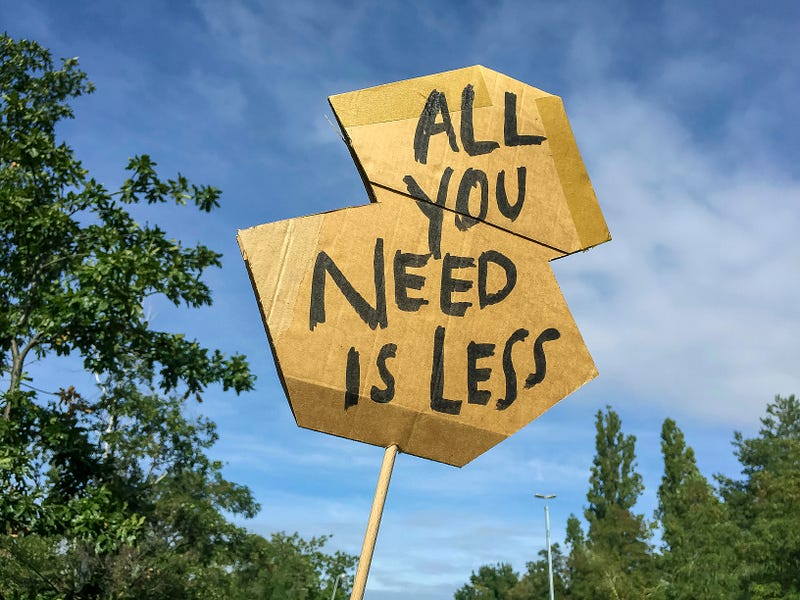
Using a Green Wrapper and Moralistic Hyperbole to Cover Anti-Capitalism
A Discussion of Peter Foster’s Why We Bite the Invisible Hand Chapter 16 “The Greenest Businessman in America” Foster examines the expression of anti-capitalism through the promotion of environmentalism in this chapter. He focuses on one businessman in particular, but uses him as an example to suggest that the movement…
Why We Bite the Invisible Hand

Corporate Social Responsibility Is Irresponsible
Part 2 of a Discussion of Peter Foster’s Why We Bite the Invisible Hand Chapter 15 “Global Salvationism” Foster is flipping a popular narrative about the problem of big business on its head in this part of the chapter. Such fears have led to calls for Corporate Social Responsibility (CSR), but it…
Why We Bite the Invisible Hand

Beyond Good Intentions: We Need to Be Saved from the Saviors of Global Salvationism
Part 1 of a Discussion of Peter Foster’s Why We Bite the Invisible Hand Chapter 15 “Global Salvationism” In an earlier chapter, Foster refers to the work of economist David Henderson who developed the idea of DIYE, do-it-yourself-economics, which is a compilation of subconscious, erroneous ideas that many people hold…
Why We Bite the Invisible Hand

The Economic Denialism Built into Climate Change
A Discussion of Peter Foster’s Why We Bite the Invisible Hand Chapter 14 “Moral Climate” I find this chapter a fascinating explanation of the histrionics that surround the climate change topic. I don’t want to get into whether it is man-made or not, real or hoax, but I do want…