

Part 2 of A Discussion of Thomas D. Simpson’s Capitalism versus Socialism Chapter 1 “Pillars of Economic Systems” Last blog, I introduced the four pillars and the four economic systems they define. Now, Simpson is looking to the Bible for any direction for answering the four pillars. Pillar 1: Who Owns Property It…
Tag: Fascism
Capitalism versus Socialism

First We Examine the Four Pillars to Define Four Economic Systems
Part 1 of A Discussion of Thomas D. Simpson’s Capitalism versus Socialism Chapter 1 “Pillars of Economic Systems” It seems like a bold statement to say the Bible can tell us what economic system we should have. In fact, Simpson does not think it can directly, but if we define each economic system…
Why We Bite the Invisible Hand
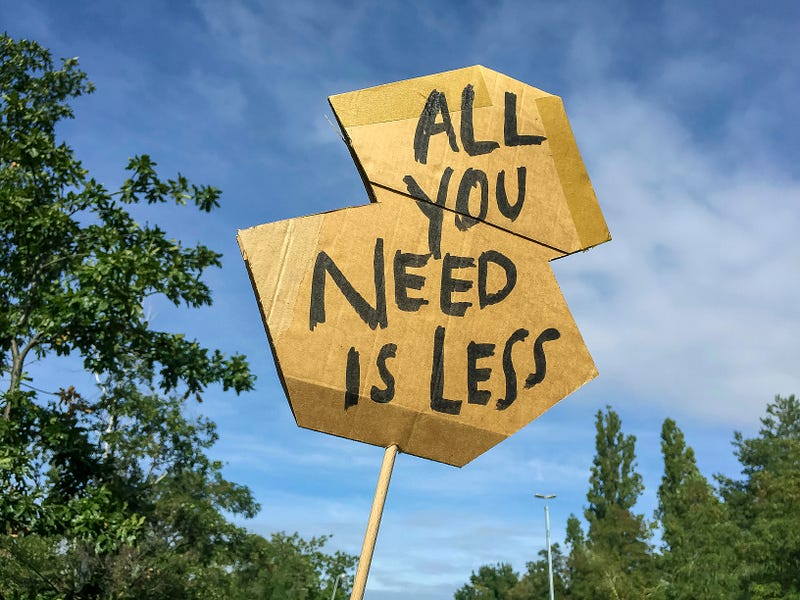
Using a Green Wrapper and Moralistic Hyperbole to Cover Anti-Capitalism
A Discussion of Peter Foster’s Why We Bite the Invisible Hand Chapter 16 “The Greenest Businessman in America” Foster examines the expression of anti-capitalism through the promotion of environmentalism in this chapter. He focuses on one businessman in particular, but uses him as an example to suggest that the movement…
Why We Bite the Invisible Hand

McDonald’s Goes to Moscow
Part 1 of a Discussion of Peter Foster’s Why We Bite the Invisible Hand Chapter 3 “Fears of a Clown: The Golden Arch-Enemy” Foster turns his attention to a major U.S. company, McDonald’s, that he notes has long been a target of derision from American elites. McDonald’s had long been the Golden…
Why We Bite the Invisible Hand

Capitalism Needs a PR Team
Part 2 of a Discussion of Peter Foster’s Why We Bite the Invisible Hand Chapter 1 “Cardboard Cut-out Capitalism” Peter Foster notes in his book that capitalism is a word everyone uses, often with negative connotations, but seldom define. (p. 24) Defining capitalism is one of the key sticking points for authors…
1913

We Need to be the People The Founders Expected
A Discussion of Oliver DeMille’s 1913 Chapter 6 “The Founding of Freedom in Modern Times” Oliver DeMille shifts his focus from the first five chapters where he laid out how we broke the founders’ design to an exploration of how we can fix things. He cites economist Murray Rothbard’s observation that you…